
Autism & ADHD
Having a brain that operates differently isn’t a problem to be solved, it’s an operating system to be learned. Let’s learn together.
I get anxiety and distressed from external stimuli quite easily, so I'm in a constant state of self-protection, it's exhausting.
—Hannah Gadsby
Recently, more of us have begun to discover that our “talented and gifted” nature as a child was actually highly masked Autism, ADHD, or AuDHD.

Common struggles among neurodivergents include:
Anxiety, depression, and other co-occurring mood disorders
Communication challenges
Difficulties with emotional regulation
Executive functioning problems
Sensory processing issues
Social awkwardness
If you - or someone you love - are autistic, have ADHD, or otherwise feel like you’re working with a different operating system, there is nothing wrong with you/them.
As we discover who we are, we often discover we aren’t who others think we are.

This can be complicated - especially if we struggle with a fear of rejection.
You are welcome to show up as your truest self with me and I can help you do that with others more, when you’re ready.
Many of us were raised in a world that demanded conformity and was critical of needing accommodations for difference. I play by different rules and want to help you learn to as well.
I do not see difference or disability status as a detriment or problem to be solved/eliminated.
I want to help you discover how your brain works best in your world and help mitigate the moments when things get overwhelming, stressful, or confusing with less stress or anxiety. I want you to stave off burnout as much as possible.
Looking for an Adult Autism Assessment?
I offer autism and AuDHD assessments either as a standalone service or integrated into ongoing therapy for established clients. My approach is thorough, trauma-informed, and designed to center your needs, pace, and strengths.
What an AuDHD assessment often includes:
Pre‑assessment intake: We’ll talk through why you’re seeking an evaluation, relevant medical and life history, and screen for co‑occurring conditions as needed. We’ll also explain which assessment tools will be used and answer any questions.
Clinical assessment sessions: Diagnostic interviews use the MIGDAS‑2 tool alongside DSM‑5 criteria for autism. Appointments typically occur over multiple sessions to reduce burnout and accommodate processing time.
Between‑session measures: You’ll complete several questionnaires outside of appointments and submit them between the clinical interview stage and the integration session. These measures are an essential part of the documented assessment.
Post‑assessment integration & self‑advocacy: After the evaluation, we provide a personalized report and follow‑up support focused on understanding results, practical next steps, and self‑advocacy strategies.
Timing and billing:
AuDHD and autism assessments are scheduled across several sessions and billed the same way as therapy services. Because of the individualized accommodations we offer (reflecting neurodivergent-informed practice and burnout mitigation), the full process often takes up to three months from intake to the first draft of your report.
Other providers may offer shorter timelines; shorter is not inherently better. Our process prioritizes accuracy, accessibility, and your well‑being.
Who this often works best for:
People who want a careful, person-centered evaluation that includes time for processing and practical integration.
Those who value neurodivergent-informed accommodations and follow-up support to turn assessment results into meaningful next steps.
It is important to note that many standard assessment tools in health were developed from research conducted on a minimally diverse group of participants who shared a narrower set of life circumstances and experiences than today’s reality. My assessment process strives to blend historically used screening tools for autism with updated measures and the power of clinical interviewing.
Many neurodivergent adults have lived with challenges stemming from being neurodivergent in a neurotypical world focused on productivity and conformity rather than purpose and authenticity. In my work, I am mindful of how autism has often been overlooked or misidentified due to a lack of awareness about how neurodivergence presents outside outdated and stereotypical portrayals. I use the MIGDAS-2 in clinical interviews alongside additional measurement tools as collateral data when crafting diagnostic assessments.
Assessments utilize evidence-based, peer-reviewed tools such as the MIGDAS-2 and others aligned with the criteria for autism established in the Diagnostic and Statistical Manual of Mental Disorders, Fifth Edition, Text Revision (DSM-5-TR).
Facts You May Not Know About Autism & ADHD in Adult Women
Facts You May Not Know About Autism & ADHD in Adult Women
Autism and ADHD were not diagnoses frequently offered to high academically achieving children - especially non-male children in the 1990s and 2000s. Read more here.
The diagnosis of Asperger’s Syndrome was removed from the DSM in 2013 and is no longer utilized, however much research still utilizes the term. Read more here.
ADHD in women often goes undiagnosed. Too many women grew up being called lazy, selfish, spacey, or dumb because their symptoms were ignored or disregarded. Read more here.
We’re still learning…
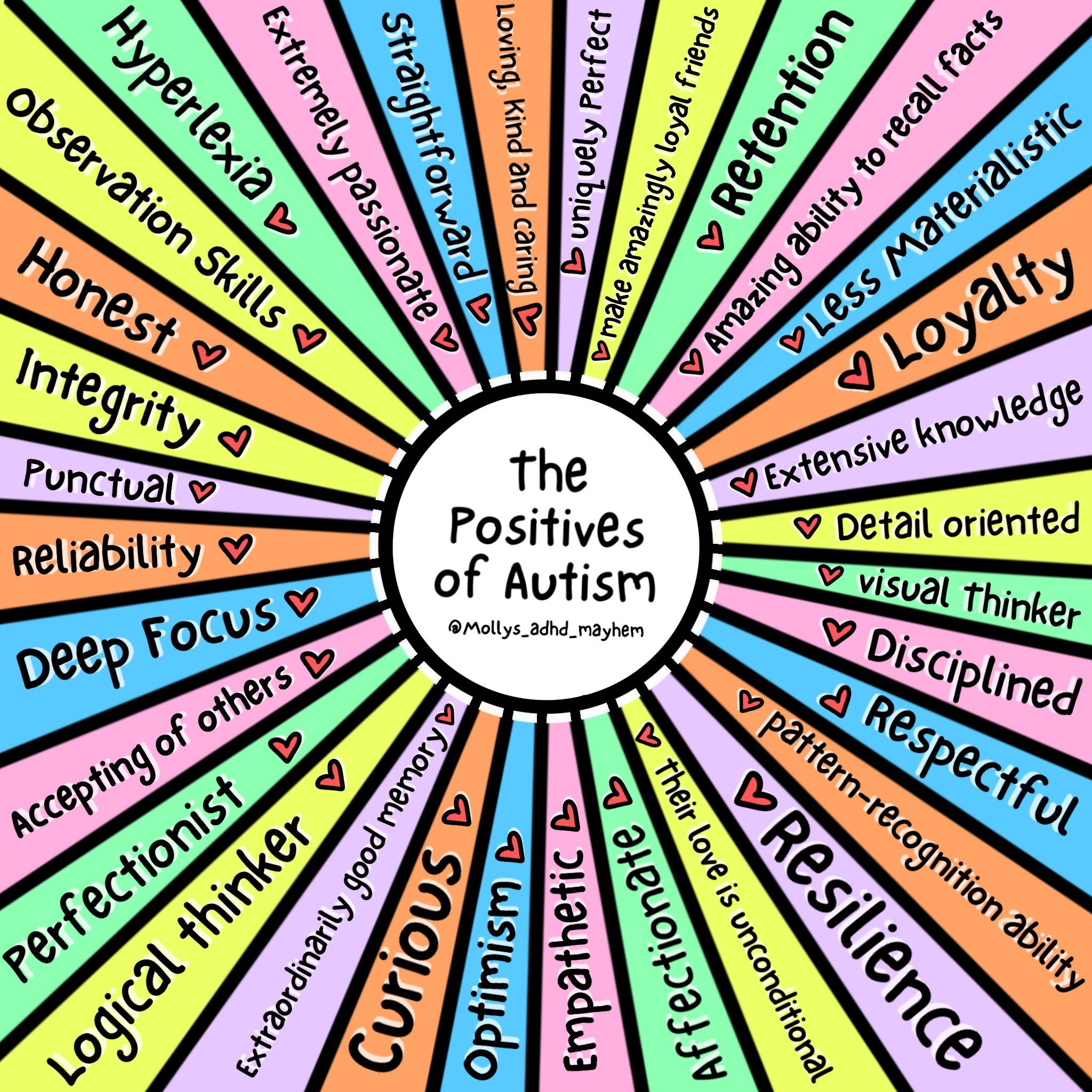
For more on how Autism and ADHD present in adults, check out these articles.
To read memoirs by other late-diagnosed Autistic adults:
My favorite Sensory Tools as an Autistic Adult:
Weighted Blanket
Clicky Pens
Noise Cancelling Headphones